
As of February 21, 2025, the legal battle in White Hat v. Murrill is poised for a significant development. The Fifth Circuit Court of Appeals started hearing oral arguments on February 24, 2025, in this pivotal case challenging Louisiana's amendment to its critical infrastructure law. This amendment, enacted in 2018, escalated penalties for activities near oil and gas pipelines, transforming minor misdemeanors into felonies punishable by up to five years in prison with the possibility of hard labor. Critics argue that this law, drafted with input from the Louisiana Mid-Continent Oil and Gas Association, aims to suppress environmental protests and infringes upon First Amendment rights.
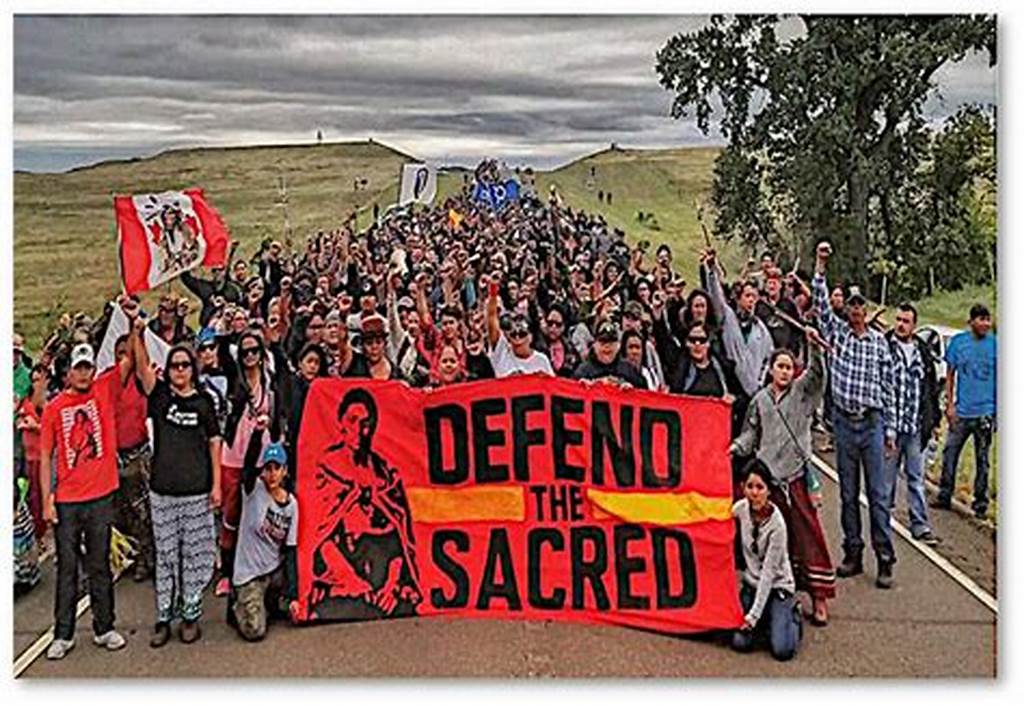
The White Hat v. Murrill case exemplifies a broader trend where the fossil fuel industry leverages legal and legislative avenues to stifle opposition. In recent years, numerous states have enacted laws that impose severe penalties on protests targeting oil and gas infrastructure. These legislative efforts often result from collaboration between industry lobbyists and lawmakers, leading to a chilling effect on environmental activism.
.
Simultaneously, the industry has been invoking corporate constitutional rights to shield itself from accountability and to counteract regulatory measures. By asserting First Amendment protections, corporations argue that certain regulations infringe upon their free speech rights. This legal strategy has been employed to challenge various public interest laws, from emission disclosures to consumer protections.
A notable example is the lawsuit filed by Energy Transfer Partners against Greenpeace, seeking $300 million in damages. The company alleges that Greenpeace's activism against the Dakota Access Pipeline involved defamation and incitement of criminal activities. Critics view this lawsuit as a Strategic Lawsuit Against Public Participation (SLAPP), designed to intimidate and silence environmental advocates.
In response to these challenges, legislative efforts are underway to address the influence of corporate money in politics. Representative Pramila Jayapal recently introduced the We the People Amendment aimed at overturning the Citizens United decision, emphasizing that "corporations are not people and money is not speech." This initiative seeks to curtail the outsized influence of corporate spending in electoral processes and policy-making.
The intersection of corporate constitutional rights and the designation of money as free speech has profound implications for environmental activism and democratic participation. As corporations wield these legal doctrines to fortify their interests, grassroots movements and policymakers face mounting obstacles in advocating for environmental justice and regulatory reforms. The outcome of White Hat v. Murrill and similar cases will significantly influence the balance between corporate power and public dissent in the context of environmental policy.
Legal Battles Intensify Over Environmental Protests and Corporate Rights
https://www.theguardian.com/us-news/2025/feb/20/greenpeace-energy-transfer-dakota-pipeline-trial
‘The path forward is clear’: how Trump taking office has ‘turbocharged’ climate accountability efforts
https://www.theguardian.com/us-news/2025/feb/18/trump-climate-accountability
Fear and intimidation: How Peaceful Protesters were hit with criminal and Civil Charges
https://www.theguardian.com/us-news/2024/sep/27/mountain-valley-pipeline-protest

Do you like this page?